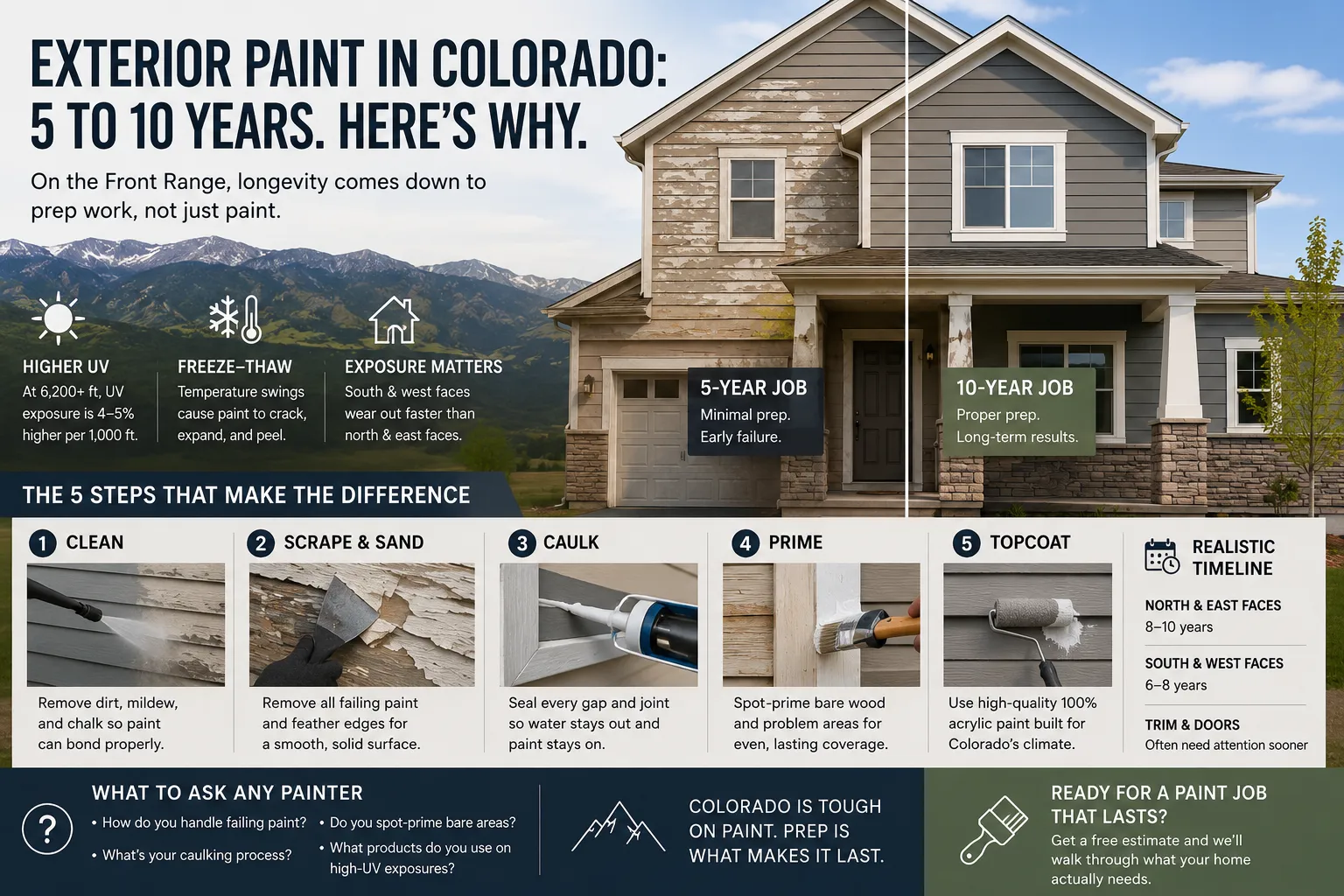
The honest answer most painting companies skip: exterior paint on the Front Range lasts somewhere between 5 and 10 years, and the spread between those two numbers has almost nothing to do with the paint brand. It has everything to do with what happened before the first drop of paint touched your siding.
Why Colorado Is Harder on Paint Than Most of the Country
Castle Rock sits above 6,200 feet. That altitude matters because UV radiation increases roughly 4–5% for every 1,000 feet of elevation. By the time you're on the Front Range, you're absorbing significantly more ultraviolet light than a home in Kansas or Georgia at the same latitude. UV breaks down paint film, chalks the surface, and fades pigments — especially on south- and west-facing walls that take the brunt of afternoon sun.
Add in the Front Range freeze-thaw cycle. Temperatures can swing 40°F in a single day in spring and fall. Water works into micro-cracks in the paint film, freezes, expands, and opens those cracks wider. Do that hundreds of times over a few winters and you have peeling, bubbling, and exposed wood.
The result: south- and west-facing elevations on many homes here look noticeably worse than the north and east faces — sometimes by several years. A homeowner doing a quick walk-around in back might think the paint looks fine, while the front of the house facing the afternoon sun is already failing.
What a 5-Year Paint Job Looks Like vs. a 10-Year One
The difference is almost always prep. Here's what separates them, step by step.
Step 1: Proper Surface Cleaning
A 5-year job often starts with a quick pressure wash and a coat of paint. That's it. The problem is that chalking, mildew, and dirt don't just rinse off — they become a barrier between the old surface and the new paint. Paint applied over chalky or contaminated surfaces doesn't bond properly, and you'll see it start to peel within a few seasons.
A thorough job uses the right pressure and technique for the substrate — too aggressive on wood siding and you raise the grain; too light on stucco and you leave contamination behind. Surfaces need to be fully dry before any coating goes on, which in Colorado's lower humidity is usually faster than in coastal climates, but still requires a real waiting period after washing.
Step 2: Scraping and Sanding All Failing Paint
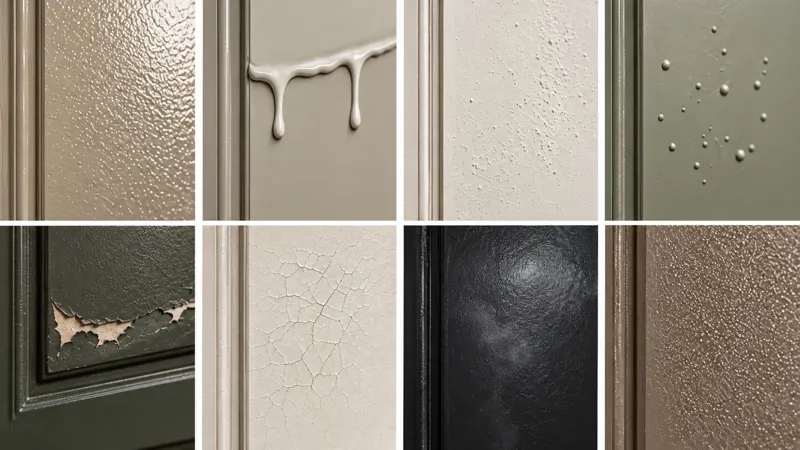
This is the step that separates a 7-year job from a 10-year job. Any paint that's already peeling, bubbling, or lifting has to come off completely. Painting over failing paint doesn't encapsulate the problem — it just delays the same failure by a season or two.
Sanding feathers the edges between bare wood and intact paint so the new coat lies flat. On homes with multiple old paint layers, this step takes real time. It's not glamorous, and it's easy to rush. But leaving raised edges means the new topcoat is only as durable as the compromised layer underneath it.
Step 3: Caulking Every Gap
Wood moves. It expands in summer heat and contracts in winter cold. Every gap around windows, doors, trim boards, and where siding meets a different material is a path for water to get behind the paint film. Once water is behind the film, peeling is just a matter of time.
Good exterior prep means recaulking those joints with a flexible, paintable caulk rated for exterior use. Old caulk that's cracked or pulling away gets removed first. Caulk that's applied directly over a gap without cleaning the joint tends to fail early.
Step 4: Spot-Priming Bare Wood and Problem Areas
Anywhere you've scraped back to bare wood needs primer before topcoat — full stop. Bare wood is porous and will absorb the topcoat unevenly, leaving thin spots that fail faster. Spot-priming those areas before the full coat ensures consistent film thickness across the surface.
Knots in wood siding also need a shellac-based or stain-blocking primer, or they'll bleed through almost any topcoat within a year or two.
Step 5: Choosing the Right Paint for the Exposure
On south- and west-facing walls, a 100% acrylic exterior paint with solid UV resistance gives you a fighting chance at the top end of the durability range. These coatings flex with temperature changes better than older oil-based or alkyd formulations, which become brittle over time.
Sheen matters here too. Flat finishes are common on siding because they hide surface imperfections, but they're harder to clean. A satin finish holds up better to the elements and is easier to wash down when the summer dust and pine pollen coat everything. For trim, a semi-gloss holds up well to moisture and gives the crisp definition most homeowners want.
The Practical Timeline
For a well-prepped, quality exterior paint job on a Front Range home:
- North and east faces: 8–10 years before you're looking at a repaint
- South and west faces: 6–8 years, sometimes less if there's significant sun exposure or the prior prep was marginal
- Trim and doors: Often need attention sooner than the body of the house, especially doors with direct sun exposure
If your home is overdue and you're seeing chalking, fading, or early peeling on the south elevation, that's the wall to watch. Letting it go too long means more bare wood, more caulk replacement, and more prep time — all of which add to the scope of the next job.
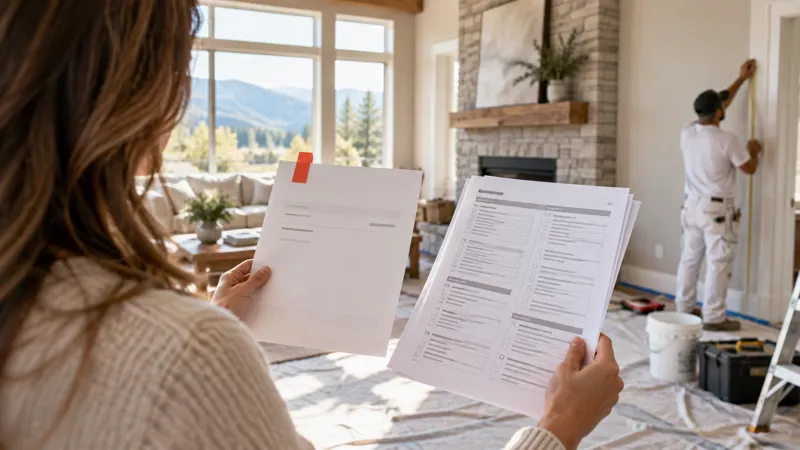
What to Ask Any Painter Before You Hire
- How do you handle failing paint — do you scrape back to bare wood or paint over it?
- What's your process for caulking around windows and trim?
- Do you spot-prime bare areas before the full coat?
- What products do you use on south-facing walls with high UV exposure?
If the answers are vague, that's telling. The prep conversation is where you find out whether you're getting a 5-year job or a 10-year job.
If your exterior is due for a repaint — or you're seeing early signs of failure on a south or west wall — our exterior painting service covers the full Front Range, including Castle Rock, Highlands Ranch, and the surrounding area. We're happy to walk through what your home actually needs. Get a free estimate and we'll take a look.